TL;DR
- Partial dentures replace several missing teeth while preserving the remaining natural teeth.
- Modern options include acrylic, cast metal, flexible, fixed bridge, and implant-supported designs.
- The best choice depends on the number and position of missing teeth, gum health, bone support, comfort, expectations, and budget.
- To maintain partial dentures, clean daily, soak overnight, avoid hot water, handle gently, and see your dentist regularly.
What are Partial Dentures?
Partial dentures are a common tooth replacement option for people who have lost some, but not all, of their teeth. When these gaps are left untreated, everyday activities such as chewing and speaking can become difficult, and many people start to feel less confident about their smile.
By filling these gaps, partial dentures restore missing teeth and make daily functions easier. Our patients who use them often find it easier to eat a wider range of foods and talk without feeling self‑conscious. Partial dentures also help keep your remaining natural teeth from moving out of place, which can otherwise lead to other dental issues.
However, with so many options to choose from, it can leave you scratching your head. To ease your concerns, we’ve listed different types of partial dentures and which one to consider.
Types of Partial Dentures
They are broadly classified as removable or fixed, depending on how they are supported and how they are worn:
1. Removable Partial Dentures
Removable partial dentures can be taken out for cleaning and while sleeping. They are commonly recommended when several teeth are missing in one area. Common types include:
a) Acrylic partial dentures
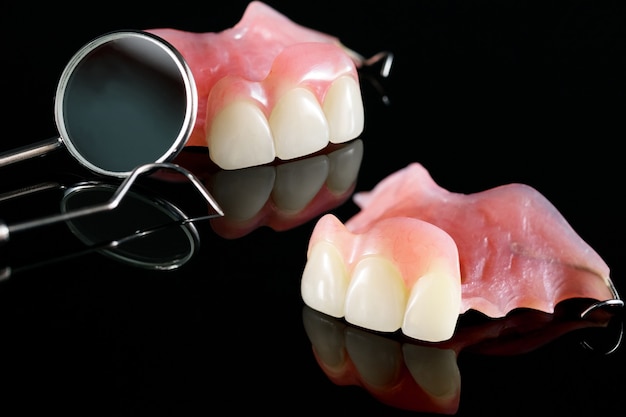
Acrylic partial dentures are made from a pink acrylic base that blends with the gums, with artificial teeth attached to it. They may use small clips for support. They are usually the most economical option, quick to fabricate, and easy to repair or adjust. However, they tend to be bulkier than other options and may not be as durable.
b) Cast metal partial dentures
These dentures have a metal framework combined with gum-colored acrylic and artificial teeth. They are held in place with clasps or precision attachments. They are strong, long-lasting, thinner, and usually more comfortable than full acrylic dentures. The main drawbacks are the higher cost and the possibility of metal clasps being slightly visible when smiling.
c) Flexible partial dentures
Flexible dentures are made from a soft, nylon-based material without a metal framework. They adapt closely to the gums, giving a natural appearance and comfortable fit. They are lightweight and are often suitable for people allergic to metal or acrylic. However, they are harder to repair or adjust and may not be ideal for people with strong biting forces.
2. Fixed Partial Dentures
Fixed partial dentures are cemented in place and cannot be removed by the patient. Our experts at Spring Creek Dental usually recommend it when strong supporting teeth are available on either side of the gap. Main types include:
a) Dental Bridges
Dental bridges are fixed and cannot be removed at home. They may be supported by crowns on neighboring teeth (traditional bridge), supported on only one side when only one adjacent tooth is available (cantilever bridge), or bonded with small metal or ceramic wings on the back of nearby teeth (Maryland bridge).
They usually feel more like natural teeth and offer good chewing function, but they require healthy supporting teeth and are generally more expensive than removable options.
b) Implant-Supported Partial Dentures
Implant-supported partial dentures are attached to dental implants placed in the jawbone. They offer excellent stability, a natural appearance, and help maintain jawbone health. They usually feel closest to natural teeth. However, they involve surgery, require sufficient bone support, take longer due to healing time, and are generally more expensive than other options.
How to Choose the Right Partial Denture?
Here are some factors to consider when choosing from the different types of partial dentures:
1. Number and Position of the Missing Teeth
Where the gaps are in your mouth affects the design of the denture. A few missing teeth may need a smaller, lighter denture, while larger spaces usually require stronger support. Front teeth replacements focus more on appearance, while back teeth need better strength for chewing.
2. Budget and Goals
Costs vary with material, design, and how complex the denture is. Some options are more affordable but may need replacement sooner, while others are more durable and long-lasting. Try to choose an option that fits your budget and still meets your comfort and function needs.
3. Appearance and Comfort
Your denture should look natural and feel comfortable during daily activities. Some people like flexible, lightweight designs that adapt to the mouth. Others prefer a sturdier option that offers more stability while eating. Comfort during speech and chewing is key.
4. Allergies
If you have sensitivity to metals or certain materials, this should be discussed before treatment. Flexible, non-metal dentures are available and can be a good choice for people with allergies or irritation concerns.
5. Dentist’s Recommendation
Your dentist will examine your teeth, gums, and jaw to guide you to the best option. Their advice is based on bone support, bite pattern, and oral health. They can help you choose a denture that fits well, protects remaining teeth, and suits your smile expectations.

How to Maintain Partial Dentures?
Below are some tips from the experts at Spring Creek Dental to extend the lifespan of your partial dentures:
- Remove and rinse your dentures after meals to wash away food particles and plaque.
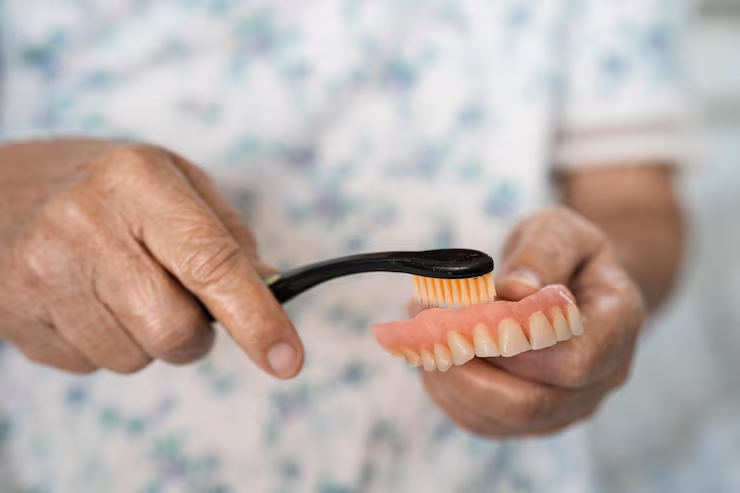
- Brush your dentures every day using a soft brush and a non-abrasive denture cleaner.
- Avoid regular toothpaste because it can scratch the denture surface and cause damage.
- Soak your dentures overnight in clean water or a denture-cleaning solution so they stay moist and retain their shape.
- Rinse your dentures properly before placing them back in your mouth.
- Clean your remaining teeth, gums, and tongue daily to maintain good oral hygiene.
- Handle your dentures carefully so you do not bend the clasps or break the base.
- Keep dentures away from very hot water, as heat can warp the material.
- Visit your dentist every six months to check the fit and condition of your dentures.
- Contact your dentist if your dentures feel loose, sore, or uncomfortable instead of trying to adjust them yourself.
Cost of Partial Dentures
Here is a clear comparison of different types of partial dentures and cost ranges in the US (approximate, per arch):
| Type of Partial Denture | Typical Cost Range (per arch in US) |
| Acrylic partial dentures | $300 – $1,500 |
| Cast metal framework partial dentures | $900 – $3,500 |
| Flexible partial dentures | $700 – $2,500 |
| Implant-supported partial dentures | $3,000 – $6,000+ |
| Fixed bridge | $2,000 – $5,000+ |
Note: Costs vary by clinic, region, number of teeth being replaced, and lab work.
Conclusion
Partial dentures can change everyday life by improving your confidence, bite, and overall comfort. It is thus important to know the different types of partial dentures and their benefits and costs to make an informed decision. A personal consultation with a dentist is still the most important step, as your oral health, lifestyle, and expectations all influence the right choice for you.
At Spring Creek Dental, you can expect warm, attentive care supported by modern technology and up-to-date techniques. Our team provides clear explanations, comfortable treatment, and results that look natural.
Schedule a consultation today to discuss your options. Contact our Hudson, WI, dental office at:
Phone: +17153819710
Location: 422 2nd St., Hudson, WI 54016, United States
FAQs
Are partial dentures comfortable to wear?
Yes, once you get used to them, well-fitted partial dentures feel comfortable for daily speaking and eating.
How long do partial dentures usually last?
With good care and regular dental checkups, partial dentures can last 5 to 10 years.
Can I eat normally with partial dentures?
Yes, you can eat most foods, though it is best to start with softer foods and gradually move to harder textures.
Do partial dentures look natural?
Modern partial dentures are created to closely match your natural teeth and gums, giving you a realistic appearance.
Can I sleep with my partial dentures on?
It is better to remove them at night to let your gums rest and to keep your mouth healthy.
What are the types of upper partial dentures?
Upper partial dentures can be acrylic, cast-metal, flexible (nylon), or implant-supported, and the best choice depends on the number of missing upper teeth, gum and bone support, appearance needs, and budget.