

TL;DR
- Consuming drinks like coffee, tea, red wine, and colored foods can dull your teeth and stain them.
- Some natural ways of teeth whitening include citrus fruits, pineapple, papaya, apples and strawberries, oil pulling, Miswak, and baking soda.
- Natural remedies work on stains on the surface of the teeth, but if you have deep, internal stains, professional consultation is needed.
- Good oral hygiene habits like regular brushing and flossing, rinsing after meals, and limiting stain-causing foods can help maintain results.
How to Achieve a Brighter Smile at Home
A bright smile is what most people want. However, daily habits like drinking coffee, red wine, or using tobacco can dull your teeth’s natural whiteness with time. While there are many commercial whitening products in the market that promise fast results. Many patients prefer safer, gentler options that they can fit into their routine.
Natural teeth whitening remedies offer a way to reduce staining using ingredients found in everyday foods and plants. In this article, we will explore seven popular teeth whitening home remedies, how they work, and the safest way to use them without compromising your oral health.
Types of Tooth Stains
Tooth discoloration can be classified into three main types: extrinsic, intrinsic, and age-related stains:
- Extrinsic stains develop on the tooth surface due to everyday factors such as pigments in food and beverages, certain medications like tetracycline, and lifestyle habits such as smoking.
- Intrinsic stains, on the other hand, form within the tooth structure. These are the result of factors such as genetics, early childhood illness, or trauma to the tooth. Because they occur beneath the enamel (outer shell of our teeth), intrinsic stains cannot be removed through regular cleaning.
- With age, natural wear and tear of the enamel can expose the dentin (underlying layer), which is yellowish or yellowish-brown in color. This also gives the teeth a duller or discolored appearance.
7 Natural Teeth Whitening Remedies That Work

Here are seven simple teeth whitening remedies that can help lift surface stains:
1. Citrus Fruits
Citrus foods contain citric acid and vitamin C, and they are often believed to help with teeth whitening because of their mild bleaching properties. Studies show that citric acid can lighten surface stains to some extent, which is why citrus extracts are sometimes used in toothpaste or mouthwashes. Rubbing the inside of an orange or lemon peel briefly over your teeth and rinsing well afterward is another way to use this remedy without risking enamel erosion.
Limonene, another key component found in citrus peels, acts as a natural teeth whitener. Found in essential oils derived from citrus fruits, limonene not only brightens teeth but also aids in preventing plaque formation. Incorporating citric-based mouthwashes can enhance its effectiveness.
Precaution: Limit use to 1–2 times a week because citric acid can weaken enamel with frequent contact. Avoid brushing immediately after using citrus.
2. Pineapple and Papaya
Pineapple and papaya contain enzymes like bromelain and papain, which help break down plaque buildup and prevent teeth staining. Both of these enzymes are often used in toothpaste formulas for their anti-inflammatory and cleansing benefits.
Applying a small amount of mashed pineapple or papaya on the teeth for a short time is a common natural approach, followed by a thorough rinse to prevent sensitivity.
Precaution: Do not leave the fruit on your teeth for too long, as natural fruit acids may increase sensitivity. Rinse properly after use.
3. Apples, Strawberries, and Cherries
These fruits are rich in malic acid, a gentle yet effective teeth whitener. Malic acid offers a gentle way to brighten your smile by removing surface stains.
Studies have explored whether some fruits can naturally lift stains. One such experiment compared strawberries, apples, and mineral water on teeth stained by coffee. The results showed that strawberry juice produced the most noticeable whitening effect. Since it’s mildly acidic, it breaks down the surface stains, making it a gentle natural option.
You can gently rub a strawberry or apple slice across your teeth, or apply a thin layer of mashed fruit mixed with a pinch of baking soda for a minute before rinsing.
Precaution: Avoid daily use. The acids in these fruits, and especially in berries, can soften enamel if used too frequently.
4. Oil Pulling
Oil pulling is an ancient remedy from India. This method involves gently swishing 1 tablespoon of coconut oil for 5–10 minutes before brushing. It can help reduce bacteria that contribute to plaque buildup and surface discoloration.
Coconut oil is often preferred because it has a mild taste and also contains lauric acid, a compound known for its natural antimicrobial properties. When used regularly, oil pulling may help lift surface stains and support fresher breath.
Precaution: Do not swallow the oil. This method does not replace brushing or flossing and should only be used as a supportive practice.
5. Kiwi
Kiwi contains actinidain, an enzyme that helps break down plaque on the teeth. Reducing plaque can lessen the dull, yellow appearance of the enamel, gently supporting whitening. Kiwi is also non-peroxidase-based, making it a mild option for those who prefer natural, low-irritation remedies.
Precaution: Use sparingly if you have sensitive enamel, as kiwi also contains natural acids. Rinse well after use.
6. Baking Soda
A small amount of baking soda mixed with water forms a gentle, alkaline paste that helps remove surface stains and polish your teeth. It has natural teeth whitening properties and can create an alkaline environment in your mouth by neutralizing the acids. However, it must be used in moderation because baking soda is mildly abrasive.
Precaution: Limit use to 1–2 times a week. Excess use may wear down enamel and cause increased sensitivity.
7. Miswak
An ancient oral tool, rooted in the Greco-Arab culture, Miswak is highly effective in maintaining dental health and improving the appearance of teeth. Miswak is even used today as a toothbrush and helps clean and polish teeth. It has antimicrobial properties that help treat gum inflammation and exhibits a whitening effect on stained teeth, offering a natural solution for those seeking a brighter smile without harsh chemicals.
Precaution: Ensure the bristles are soft before use. Avoid aggressive scrubbing to prevent gum irritation.
When Natural Whitening Isn’t Enough
While natural ingredients are affordable and may help lighten minor surface stains, they are not strong enough to address deep, internal discoloration. Stains caused by ageing, certain medications, fluorosis, or long-term habits like smoking usually require more advanced solutions.
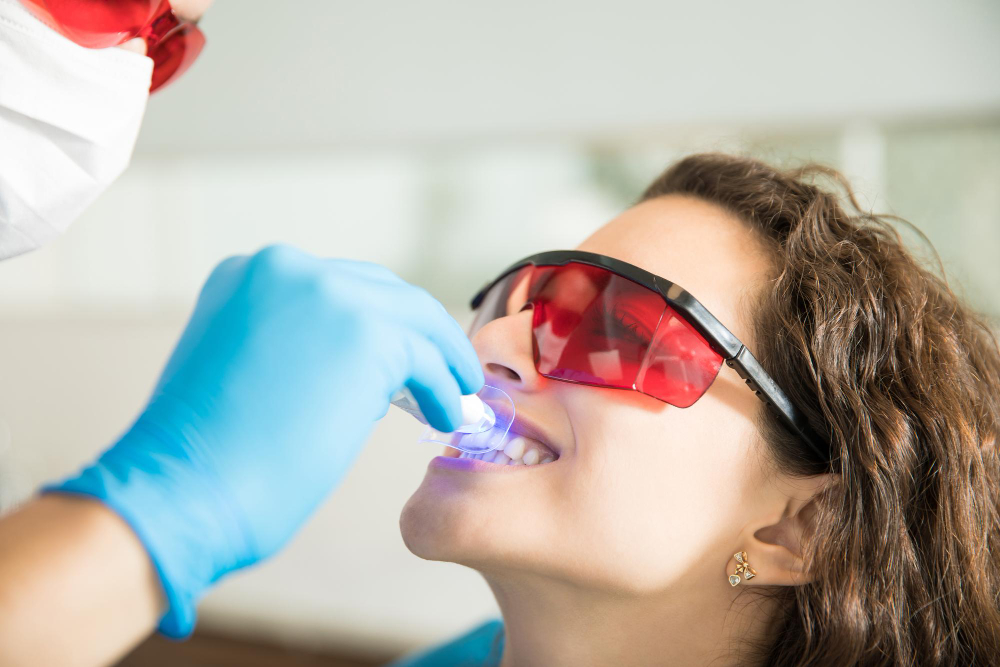
If you notice little or no improvement, consulting a cosmetic dentist is the safest next step. Professional whitening treatments use controlled concentrations of bleaching agents that deliver more consistent and longer-lasting results. Your dentist can also determine the cause of your discoloration, rule out underlying dental issues, and recommend the most suitable option, whether it is in-office whitening, at-home trays, microabrasion, or veneers for severely stained teeth.
Professional guidance also helps prevent enamel damage, gum irritation, and uneven whitening, which are common risks with incorrect DIY methods.
Your Next Step to a Confident Smile
A bright smile doesn’t always require harsh chemicals or expensive whitening treatments. These natural teeth whitening methods can help lift stains and also improve your oral hygiene. If you’re not seeing the results you hoped for, professional guidance can make all the difference.
At Spring Creek Dental, we have you covered. Our team of professionals takes the time to get to know you and your smile goals. We are dedicated to delivering personalized care that’s gentle, effective, and designed to make every visit a positive experience.
If you are ready to choose a healthier, brighter smile, consult our expert dentists in Hudson, WI. You can call us at 715-381-9710 or visit 422 2nd Street, Hudson, WI 54016, to learn more about safe and effective teeth whitening options.
FAQs
Are home whitening methods safe for enamel?
Most are safe to use when used correctly and occasionally. Overuse of acidic or abrasive whitening methods can damage your enamel.
How long does it take to see results from natural whitening?
With consistent use and good oral hygiene practices, you may notice subtle improvements within a few weeks. However, results may vary, and they are slower than commercial and professional teeth whitening methods.
Which is the best way to whiten your teeth?
The best way to whiten your teeth depends on your personal preference and smile goals. Most natural home remedies are effective, along with eating a healthy diet rich in fiber and limiting consumption of foods and drinks that stain teeth.
Can natural whitening methods harm my teeth?
Excessive use of harsh abrasive ingredients, such as baking soda, or acidic substances like citric acid, can erode enamel and harm gums. It’s best to use these natural methods in moderation and with caution.
What is the best natural whitening remedy for sensitive teeth?
People with sensitive teeth should opt for non-acidic teeth whitening options like Miswak, papaya, or kiwi. Avoid acidic fruits and abrasive baking soda pastes.