
TL;DR
- Veneers are thin shells that cover the front of teeth to improve appearance, often for chips, stains, or misalignment.
- Veneers are permanent in the sense that the procedure requires making irreversible changes to your tooth structure.
- Porcelain veneers last 10-15 years, while composite veneers last 5-7 years, depending on care.
- The lifespan of veneers depends on oral hygiene, habits, lifestyle, and diet.
- The process involves a consultation, tooth preparation, impressions, placement of temporary veneers, and eventually bonding of permanent veneers.
- To maintain veneers, brush gently, floss daily, avoid hard bites, and wear a night guard if needed.
What are Dental Veneers?
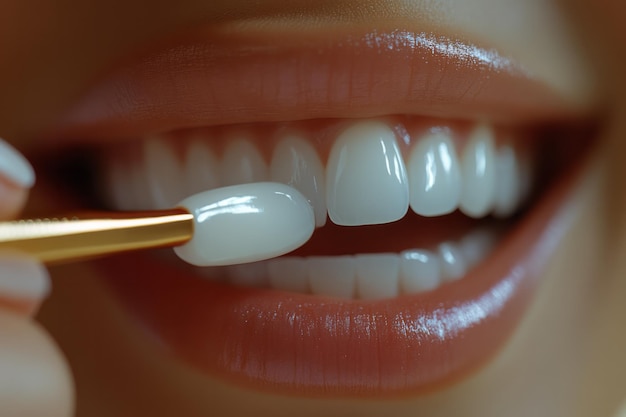
Dental veneers are thin, custom-made shells that cover the front surface of teeth. A cosmetic dentist may recommend veneers to address issues such as chipped or worn edges, stubborn stains that do not respond to whitening, uneven tooth shape, or minor alignment issues.
However, while the cosmetic results are appealing, many patients have an important question before choosing them: are veneers permanent? This is a valid concern, as the process typically involves making small, irreversible changes to the natural tooth structure.
For that reason, choosing veneers is not a decision to take lightly. This guide explains whether veneers are permanent, their expected lifespan, the treatment process, and the aftercare needed to maintain results in the long term.
Are Veneers Permanent or Removable?
As a dentist, this is one of the most common questions patients ask before choosing veneers, and it is an important one. Veneers are considered a permanent treatment because, in most cases, a small amount of enamel needs to be removed from the front of the tooth to place them properly. Once this enamel is shaved, it does not grow back.
That said, permanent does not mean unchangeable. Veneers can be replaced if they wear out, chip, or need updating over time. However, because the natural tooth has already been altered, you will always need some form of covering on that tooth, whether it is a new veneer or another restorative option.

Types of Dental Veneers and their Longevity
There are two main types of veneers, and the type chosen can affect both appearance and lifespan:
- Porcelain veneers are strong, stain-resistant, and closely mimic natural teeth. With proper care, they typically last 10 to 15 years, and sometimes even longer.
- Composite veneers, made from tooth-colored resin, are a more affordable option and can often be completed in fewer visits. They are less durable than porcelain and usually last around 5 to 7 years, requiring occasional polishing or minor repairs.
So, while the answer to “are veneers permanent?” is yes because the procedure cannot be reversed, veneers are not a lifetime solution. How long they last depends on several factors that we are going to cover in the next section.
Factors that Affect the Lifespan of Veneers
At Spring Creek Dental, we carefully consider these factors before recommending veneers to help patients enjoy lasting results:
- Oral hygiene: Proper care is important to prevent tooth decay and gum problems that could affect your veneers.
- Biting and chewing habits: Certain habits, like biting your nails, chewing on ice, or using your teeth to open packages, can damage veneers.
- Lifestyle choices: Smoking or consuming a lot of coffee, tea, or red wine can stain veneers, particularly composite ones.
- Dietary habits: Very sugary or acidic foods and drinks can weaken your teeth and affect the bonding of veneers over time.
- Teeth grinding (bruxism): Grinding or clenching your teeth, especially at night, can wear down veneers.
What to Expect When Getting Veneers?
Getting veneers is a big decision, and it’s completely normal to have questions or feel a little nervous. But knowing what happens next can make everything easier. Here’s how it typically goes:
- Initial Consultation
You’ll have a chat with your dentist about your goals. They’ll take a look at your teeth and check your bite. Sometimes, they’ll take a few X-rays or impressions to help decide if veneers are right for you and which type would be best.
- Planning Your Smile
Once you’ve discussed your goals, the dentist may show you a preview of how your new smile will look. You can make changes before the final decision. It’s a chance to get involved in the process and make sure it’s exactly what you want.
- Tooth Preparation
To prepare for the veneers, a thin layer of enamel is usually removed from the front of your teeth. This is done with a local numbing agent, so you won’t feel discomfort. It’s an important step to make sure the veneers fit well and look natural.
- Impressions and Temporary Veneers
After the teeth are prepared, impressions are taken to make your custom veneers. While your permanent veneers are being made, temporary ones might be placed to protect your teeth and give you time to adjust to how they feel.
- Placement of Permanent Veneers
Once the veneers are ready, they are then carefully placed on your teeth. The dentist will check that the fit, color, and bite are just right. Any small adjustments can be made to ensure everything is comfortable and looks natural.

How to Maintain Veneers?
After placement, your dentist will show you how to care for your veneers and answer any questions. Here are some tips we often share with patients at Spring Creek Dental:
- Brush twice a day with a soft-bristle toothbrush and non-abrasive toothpaste.
- Floss daily to keep the spaces between your teeth clean.
- Avoid biting hard objects like ice, pens, or nails to prevent chipping.
- Limit coffee, tea, red wine, and smoking, and rinse or brush afterward to prevent staining.
- Wear a night guard if you grind your teeth at night.
- Don’t use your teeth to open packages or bottles.
- Attend regular checkups to make sure your veneers are in good condition.
- Contact your dentist immediately if a veneer chips, feels loose, or causes discomfort.
The Bottom Line
If you’ve been wondering, “Are veneers permanent?” the answer is yes, because the procedure involves altering your natural tooth structure. That said, they are not a one-time treatment for life. Their lifespan depends on the type of veneer, daily habits, and how well you maintain your oral health.
Another important aspect that affects the longevity of your veneers is the skill and expertise of your dentist. If you are looking for an experienced dentist near Hudson to discuss veneers or explore other smile improvement options, our team at Spring Creek Dental is here to help.
Book a consultation with Spring Creek Dental to get personalized advice and take the next step towards a healthy smile:
Phone: (715) 381-9710
Location: 422 2nd St, Hudson, WI 54016, United States
FAQs
Veneers do not damage healthy teeth when done correctly. A small amount of enamel is removed so the veneers can sit naturally and comfortably.
Once veneers are placed, they cannot simply be taken off and left as-is. Because the tooth has been reshaped, you will always need a replacement veneer or another type of restoration. That is why it is important to be sure about the decision before moving forward.
Most patients say veneers feel very natural after a short adjustment period. At first, you may notice them when you speak or chew, but this usually settles within a few days. Once you adjust, they feel much like your own teeth.
Porcelain veneers are considered permanent because a thin layer of enamel is usually removed to place them properly. That part cannot be reversed. However, the veneers themselves are not meant to last forever. With good care, porcelain veneers often last 10 to 15 years, and sometimes longer.
Porcelain veneers can resist stains much better than natural teeth. Coffee, tea, and red wine are less likely to leave marks. Composite veneers, on the other hand, can stain over time. Good oral hygiene and regular cleanings help keep both looking their best.