
TL;DR
- Ceramic crowns are custom-made caps that cover damaged or weakened teeth. These crowns are stain-resistant, durable, and biocompatible, making them a safe and comfortable choice.
- Full-ceramic crowns are ideal for front teeth, zirconia crowns are great for molars, and E-max crowns focus on aesthetics.
- Pressed ceramic crowns offer strength and a natural finish for single crowns and short bridges.
- The cost of ceramic crowns ranges from $800 to $3,000, depending on the material and complexity of the procedure.
- When choosing a crown, consider tooth location, bite force, aesthetic goals, budget, and sensitivity to metals.
- Proper care, like brushing, flossing, and avoiding hard or sticky foods, can help extend the life of your crown.
What is a Ceramic Tooth Cap?
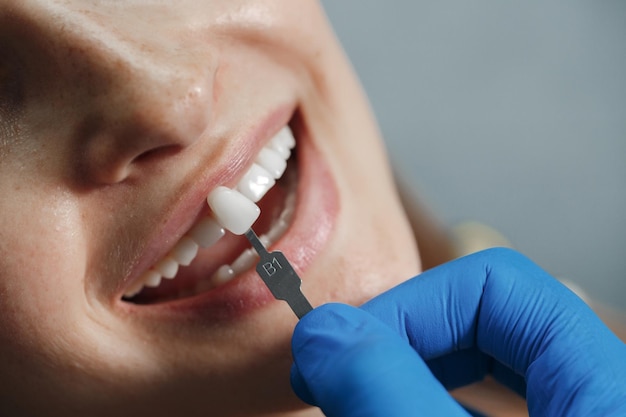
Ceramic teeth caps, also known as ceramic crowns, are custom-made covers placed over damaged, weakened, or aesthetically compromised teeth. They help restore the tooth’s shape, size, strength, and natural appearance while blending seamlessly with surrounding teeth. We often recommend ceramic crowns after a root canal, for cracked or heavily decayed teeth, or to improve the look of discolored or misshapen teeth.
Ceramic crowns are especially popular because they are metal-free and closely mimic the translucency of natural enamel. And because they offer both functional protection and cosmetic enhancement, these dental crowns are a common choice for front teeth restorations as well as selected back teeth.
This guide explains the benefits of a ceramic tooth cap, the different types available, their costs, and how to choose the option that best suits your oral health needs.
Benefits of a Ceramic Tooth Cap
Ceramic caps for teeth offer a range of benefits that make them a top choice:
- Natural look: Ceramic closely matches the shade and transparency of real teeth, so it blends well with your smile.
- Stain resistance: Ceramic doesn’t absorb stains from foods and drinks like coffee or tea, keeping your smile bright.
- Strength and durability: Ceramic crowns restore the structure and strength of weakened, cracked, or decayed teeth, making chewing comfortable again.
- Biocompatible: Since they are metal-free, they are less likely to cause allergic reactions or irritate the gums.
- Protective: Ceramic crowns cover the tooth, helping to prevent further decay and protect against bacteria.
- Comfortable fit: Unlike metal crowns, ceramic caps don’t cause temperature sensitivity, making them more comfortable for daily use.
Types of Ceramic Crowns
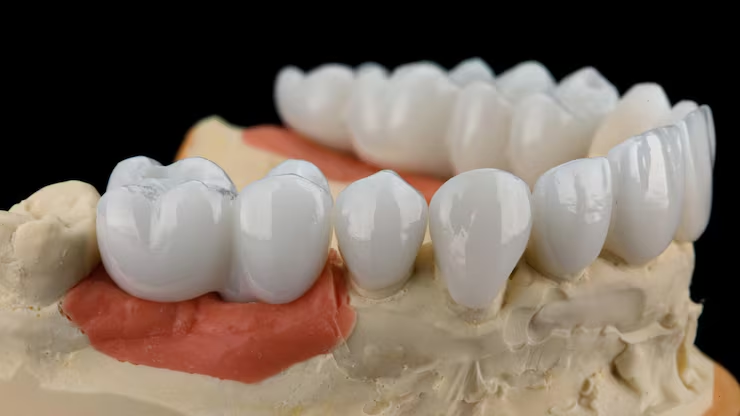
Ceramic teeth caps come in different materials, as outlined below:
Full-ceramic (all-ceramic) crowns
Full-ceramic crowns are made entirely from ceramic material without any metal. They closely resemble natural teeth in color and translucency, making them one of the best choices for front teeth. They are biocompatible and suitable for people with metal allergies. While strong enough for normal chewing forces, they may not always be the first choice for patients with very heavy bite pressure on back teeth.
Zirconia crowns
Zirconia crowns are fabricated from zirconium dioxide, a highly durable ceramic known for its exceptional strength. They can withstand significant biting and grinding forces, which makes them ideal for molars and patients with bruxism. Modern layered zirconia also improves translucency, so the appearance is more natural than older opaque versions. They offer a good balance between strength and aesthetics.
E-max (lithium disilicate) crowns
E-max crowns are made from lithium disilicate glass-ceramic and are considered one of the most aesthetic types of crowns available. They are thin, light-transmitting, and blend well with natural teeth, making them especially suitable for front teeth. Despite their delicate appearance, they are strong and durable when properly indicated. They are usually recommended where appearance is the top priority.
Pressed ceramic crowns
Pressed ceramic crowns are produced by pressing ceramic material into a mold, resulting in a dense and strong core with a layered porcelain coating. This manufacturing technique improves strength compared with traditional layered porcelain crowns while maintaining a natural finish. They are commonly used for single crowns and short bridges where both strength and aesthetics are important.
Cost of Different Types of Ceramic Crowns
Here’s how much the different types of ceramic teeth caps may cost:
| Types of Ceramic Crown | Average Cost (Per Crown) |
| Full-ceramic (all-ceramic) crowns | $800 – $3,000 |
| Zirconia crowns | $1,000 – $2,500 |
| E-max (lithium disilicate) crowns | $800 – $2,500 |
| Pressed ceramic crowns | $800 – $3,000 |
It is important to note that the prices can vary depending on factors such as location, the dentist’s experience, the complexity of the procedure, and whether additional treatments (like tooth preparation) are required.
How to Choose the Right Ceramic Crown
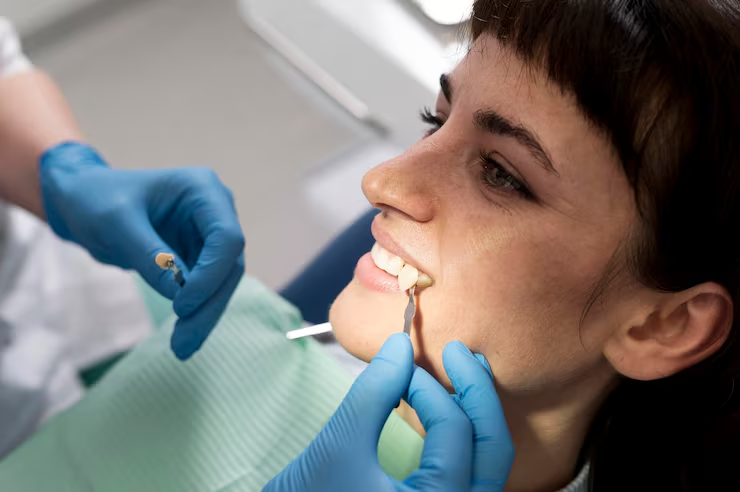
At Spring Creek Dental, we advise patients to consider the following factors when choosing the right ceramic crown for their needs:
- Tooth Location: For front teeth, where appearance is key, full-ceramic, E-max, or pressed ceramic crowns are ideal due to their natural look. For back teeth, durability is more important, so zirconia crowns are a better option.
- Bite Force: If you have a strong bite or grind your teeth, zirconia crowns are highly durable and can withstand significant pressure.
- Aesthetic Goals: If your priority is achieving a lifelike appearance, E-max crowns are highly recommended for their translucency and natural finish.
- Budget: If you’re looking for a cost-effective option, pressed ceramic or zirconia crowns offer durability and aesthetic appeal at a lower cost.
- Metal Sensitivity: For those with metal sensitivities, full-ceramic or E-max crowns are ideal as they are completely metal-free and biocompatible.
Care and Maintenance of Ceramic Crowns
With proper care, ceramic crowns can last anywhere from 10 to 15 years or longer. To extend the lifespan of your ceramic tooth cap, follow the tips below:
- Brush your teeth regularly with a soft-bristled toothbrush and fluoride toothpaste to avoid plaque buildup around the crown.
- Floss daily to keep the area between the crown and surrounding teeth clean.
- Avoid chewing on hard objects like ice, pens, or hard candies to prevent damaging the crown.
- Be mindful of sticky foods that can loosen or dislodge the crown.
- Visit your dentist for regular checkups to make sure the crown is still secure and in good condition.
- If you experience any discomfort, sensitivity, or notice the crown becoming loose, contact your dentist for an evaluation.
- Use a mouthguard if you grind your teeth at night to protect both your crowns and natural teeth.
Final Thoughts
Sometimes, a damaged tooth is more than a dental problem. It can change how you chew, how you smile in photos, and even how confident you feel when you speak. If you’ve been managing discomfort, avoiding certain foods, or feeling self-conscious about a tooth, a ceramic tooth cap might be something to look into.
A ceramic crown can help protect the tooth, ease sensitivity, and restore its strength. It is also important that you choose the right type of ceramic crown. If you need help, our team at Spring Creek Dental can guide you through the options that truly fit your needs.
For expert guidance, visit our dental office in Hudson, WI, or contact us at 7153819710.
FAQs
One of the great things about ceramic crowns is that they are metal-free, making them an ideal option for people with metal allergies or sensitivities.
Yes, you can! Once the crown is in place and has fully set, you should be able to eat normally without any issues. Just remember to avoid chewing on really hard things like ice or pens.
Unfortunately, ceramic crowns don’t respond to whitening treatments the way natural teeth do. If your crown starts to discolor, the best option is to have it replaced.
Getting a ceramic crown is generally a painless procedure. Your dentist will numb the area around your tooth so you won’t feel anything during the procedure. After the crown is placed, you might feel some sensitivity for a few days, but this usually goes away on its own.
The process usually takes two visits to the dentist. During your first appointment, the dentist will prepare your tooth and take impressions. It typically takes about one to two weeks for the lab to make your custom crown. At your second visit, the crown is fitted and cemented in place.