TL;DR
- With dental implants in one day, the implant and temporary tooth are placed during a single visit.
- The process uses careful planning, immediate implant placement, and the attachment of temporary teeth, so you leave with a complete smile the same day.
- Suitable candidates have good health, healthy gums, adequate jawbone, and no uncontrolled habits like heavy smoking or teeth grinding.
- Key benefits include immediate smile restoration, fewer visits, preserved jawbone, and faster return to daily activities with better confidence.
- Aftercare focuses on gentle cleaning, antimicrobial rinses if advised, soft foods, avoiding excessive bite pressure, using night guards when needed, and attending follow-ups.
What are Same-Day Dental Implants?
Replacing missing teeth no longer has to take months. Same-day dental implants, also known as immediate load implants, allow many patients to walk into the clinic with gaps or damaged teeth and leave with temporary replacement teeth on the same day.
Dental implants already have a strong clinical track record, with long-term success rates commonly reported above 95% when placed in suitable candidates. Same-day implant techniques build on this foundation using advanced imaging and planning to place the implant and attach a temporary crown in a single visit.
This guide explains exactly how dental implants in one day work, what happens during the procedure, who is suitable, and what recovery involves.
How Same-Day Dental Implants Work?
One of the most common questions we hear from our patients is, “Can dental implants be done in one day?” Well, the term “same day” refers to the placement of the dental implant along with a temporary tooth immediately. It does not mean that the entire treatment is completed in one day, as the bone still needs time to heal around the implant.
In this approach, tooth removal (if required), implant placement, and attachment of a temporary crown are completed in one visit. This is different from traditional dental implants, which usually involve several appointments spread over a few months.
Step-by-Step Process of One-Day Dental Implants
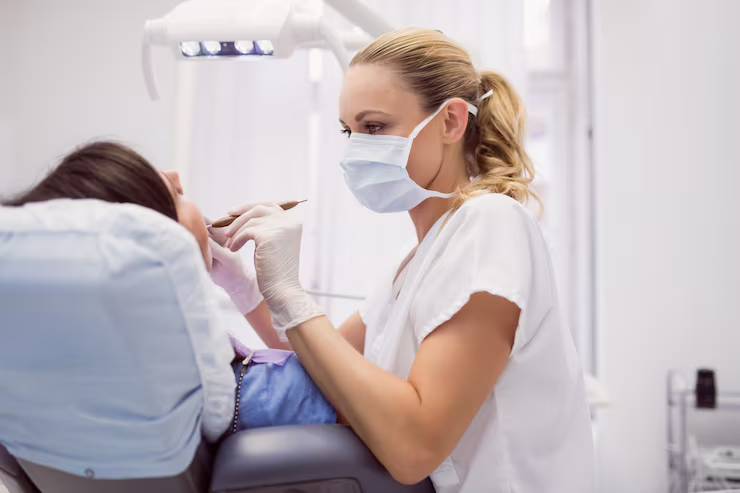
Dental implants in one day might seem fast, but every step is carefully planned to make sure your new teeth are safe, strong, and natural-looking. Here’s how it usually works:
Step 1: Consultation and Check-Up
Your dentist will start by looking at your teeth, gums, and jaw. They may take X-rays or 3D scans to see the bone structure and plan exactly where the implants should go.
Step 2: Planning Your Treatment
Based on your exam, the dentist decides:
- How many implants you need
- If they can be placed and used immediately
- What kind of temporary and permanent teeth will work best
They will also explain what to expect during and after the procedure.
Step 3: Removing Damaged Teeth (If Needed)
If you have a tooth that can’t be saved, it is carefully removed. The area is cleaned so it’s ready for the implant. In many cases, the implant can go in right away.
Step 4: Placing the Implant
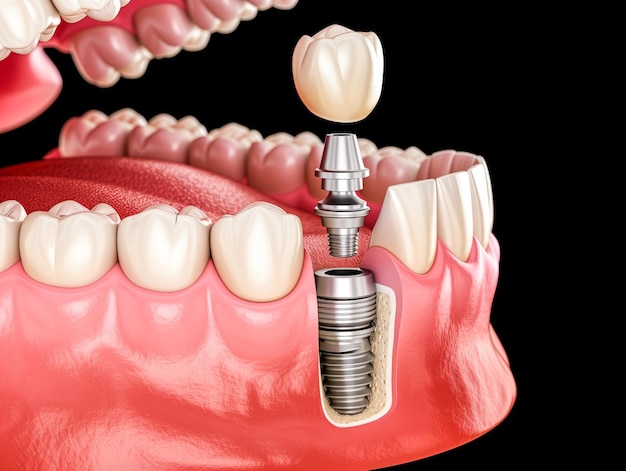
The dentist places a small titanium post into your jawbone. This functions like the root of a new tooth. The implant is positioned carefully to make sure it’s stable and can hold a temporary tooth right away.
Step 5: Attaching Temporary Teeth
Once the implant is secure, a temporary tooth is placed on top. These temporary teeth:
- Give you a complete, natural-looking smile immediately
- Let you speak and eat soft foods comfortably
- Keep your confidence while your jawbone heals
Step 6: Healing Time
Over the next few months, the implant bonds with your jawbone. This process, called osseointegration, makes your implant strong and secure. During this time:
- You’ll follow simple care instructions from your dentist
- Eat softer foods at first
- Attend follow-up check-ups
Step 7: Permanent Restoration
After your implant has healed fully, your dentist replaces the temporary teeth with a permanent crown or bridge. These are custom-made, stronger, and made to last for many years.
This approach lets you leave the clinic the same day with a natural smile, while your implant heals safely underneath.
Who is a Good Candidate for Same-Day Dental Implants?
At Spring Creek Dental, we look at several factors to determine if dental implants in one day are the right option for you. Key factors we consider are:
- Good overall health: Patients should be free from severe medical conditions that slow healing. Uncontrolled diabetes, for example, can interfere with the implant process.
- Sufficient jawbone density: The jawbone needs to be thick and strong enough to support an implant immediately. A 3D scan helps us see whether the bone structure is suitable.
- Healthy gums: Gums must be infection-free for successful implant placement. Patients with active gum disease need treatment before implants.
- Extent of tooth loss: Same-day implants are most effective for patients missing one or a few teeth in strategic locations, rather than extensive tooth loss.
- Lifestyle factors: Habits such as smoking and teeth grinding can affect healing and the long-term success of implants. Patients who avoid tobacco and take precautions against grinding, such as using a night guard, are better candidates.
Benefits of One-Day Dental Implants
Same-day dental implants offer several advantages that go beyond simply replacing missing teeth, such as:
- Immediate smile restoration: You leave the clinic with natural-looking teeth the same day, avoiding gaps or removable dentures.
- Quick return to normal function: Temporary teeth allow you to speak and eat soft foods right away.
- Fewer dental visits: Because the implant and temporary teeth are placed in a single appointment, you spend less time in the dental chair overall.
- Preserves jawbone and facial structure: Implants stimulate the jawbone, helping prevent bone loss that can occur with missing teeth.
- Boosts confidence and comfort: Walking out with a complete smile on the same day can greatly improve self-esteem and ease daily interactions.
Aftercare Tips for Maintaining Dental Implants

We at Spring Creek Dental recommend the following simple habits to protect dental implants during healing:
- Maintain a gentle but thorough brushing routine twice daily.
- Use a soft-bristled brush and clean carefully around the gumline.
- Clean between teeth and around implants using interdental brushes or floss as advised by your dentist.
- Use an antimicrobial mouth rinse if recommended to reduce bacteria while healing.
- Avoid hard, sticky, or very chewy foods during the early healing phase to prevent excess pressure on implants.
- Limit habits like nail biting or chewing on ice, pens, or hard snacks.
- If you grind your teeth at night, wear a protective night guard to shield the implants.
- Attend all follow-up visits so your dentist can monitor healing and adjust your bite if needed.
Conclusion
Dental implants in one day offer the comfort of walking out with replacement teeth on the very same day, while your implant continues to heal gently underneath. For many people, that means eating, speaking, and smiling with more confidence again.
If you are thinking about replacing missing or damaged teeth, a personal consultation is the best next step. Every jaw is different, and your needs deserve careful attention, clear explanations, and honest guidance. The team at Spring Creek Dental is happy to listen to your concerns, explain your options, and help you decide if one-day implants are right for you.
To talk to a caring dentist in Hudson, book an appointment with Spring Creek Dental:
Contact us: (715) 381-9710
Location: 422 2nd St, Hudson, WI 54016, United States
FAQs
How long do temporary teeth from a same-day implant procedure typically last?
Temporary teeth usually last 3 to 6 months until the implant fully bonds with the bone. They are placed for short-term use and are later replaced with stronger permanent teeth.
Does the same-day implant procedure require general anesthesia or sedation?
Most cases are done with local anesthesia, so you stay awake but comfortable. Sedation can be used for anxious patients or longer procedures if the dentist recommends it.
Are same-day implants more expensive than traditional implants?
They can be slightly more expensive because of advanced planning, technology, and same-day temporary teeth. Costs vary based on the number of implants and individual needs.
Can same-day implants be done for patients with missing teeth in multiple areas of the mouth?
Yes, in many cases they can. Suitability depends on bone strength, gum health, and overall oral condition, which the dentist will assess first.
How soon can patients return to work after a same-day implant procedure?
Many people return to work within a day or two, especially for desk jobs. Some may require a short rest period due to mild swelling or discomfort.