

TL;DR
- Cosmetic dental bonding corrects dental problems like chips, cracks, gaps, and stains on teeth.
- It uses tooth-colored resin that blends easily with the natural teeth.
- Cosmetic dental bonding is relatively affordable and does not damage the natural teeth like crowns and veneers.
- The treatment is usually completed in a single visit and is typically painless.
- The cost of dental bonding ranges between $300 and $600 per tooth.
- With proper care and regular dental checkups, bonding can last 5 to 10 years, though occasional touch-ups or replacements may be needed.
Cosmetic Dental Bonding: An Overview
Chipped, uneven, and stained teeth are quite common, and these small concerns can sometimes affect the way your smile looks. Cosmetic dental bonding offers a quick and gentle way to fix these issues. It uses a tooth-colored material called resin to cover and shape the teeth evenly. This dental treatment can restore your smile safely in just one visit to the dentist.
This article will explain how cosmetic dental bonding works, how much it costs, and how to care for your teeth after treatment. You will also learn when it’s best to see a dentist.
What is Cosmetic Dental Bonding?
Dental bonding, or composite bonding, is a simple way to correct and improve the look of your teeth using a tooth-colored resin. This resin is applied to your teeth to make small adjustments, such as smoothing rough edges, filling tiny gaps, or covering minor discoloration. Once the material is shaped, a special light is used to harden it, allowing it to bond securely to the tooth surface. It’s a gentle and non-invasive treatment that helps you get a beautiful smile without any pain or long visits.
Common issues corrected with bonding include:
- Chipped or cracked teeth
- Gaps or spaces between them
- Uneven or short teeth
- Teeth that are stained or discolored
Unlike other dental procedures like crowns and veneers, cosmetic dental bonding is quicker, less costly, and can be reversed when needed. It does not require removing much of your tooth, so it keeps it healthy.
How Does a Dental Bonding Procedure Work?
The treatment involves composite resin bonding of teeth, using a tooth-colored material. The whole process usually takes 30 to 60 minutes per tooth and is often finished in one visit.
At Spring Creek Dental, cosmetic dental bonding is done in a simple step-by-step procedure:
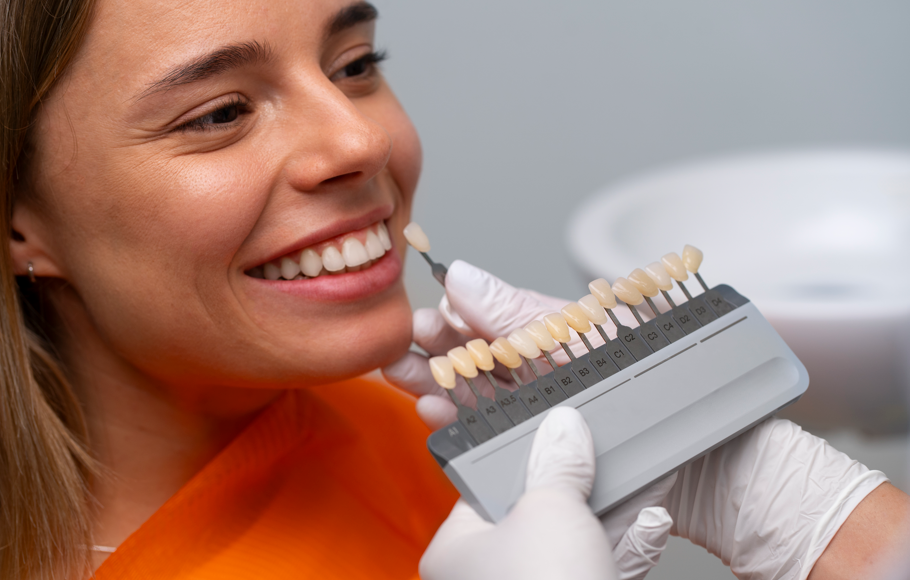
Checkup and Color Matching
First, the dentist will explain the procedure and answer your questions. They will then pick a resin shade that matches your natural teeth. This helps the material blend well.
Tooth Preparation
Next, the dentist will clean the tooth to be treated. They will lightly roughen the surface and apply a bonding agent. This helps the resin stick tightly to the tooth.
Resin Application
The dentist will carefully apply the composite resin to the prepared tooth. They will shape the tooth to correct chips, gaps, or stains.
Curing and Polishing
After shaping, the dentist uses a special light to harden the resin. Finally, the dentist will polish your tooth for a shiny, natural finish.
Aftercare Tips to Make Dental Bonding Last Longer
Most people can go back to normal activities immediately after the procedure. You may feel some temperature sensitivity for a short time, but this usually goes away quickly. With the right habits, your bonding can last 5 to 10 years or more. To keep it looking good for a long time, it’s important to follow some simple care tips.
Tips recommended by experts at Spring Creek Dental:
- Try not to bite your nails or chew on hard objects such as pens, as these can chip or weaken the resin.
- Limit coffee and tea, and avoid smoking or tobacco use, since these can stain the bonding over time.
- Brush gently twice a day using a soft-bristled toothbrush and fluoride toothpaste to keep your teeth clean without scratching the surface.
- Floss once a day to remove food particles and prevent plaque buildup around the bonded areas.
- Choose an alcohol-free mouthwash to keep your mouth fresh without drying the resin.
- Visit your dentist regularly for checkups and occasional polishing, which helps the bonding stay smooth and bright.
- If you tend to grind your teeth at night, ask your dentist about a nightguard to protect the bonded teeth from pressure and wear.
Cost of Cosmetic Dental Bonding
The cosmetic dental bonding cost in the United States usually ranges from $300 to $600 for each tooth.
How much you pay depends on a few things, like:
- How many teeth need bonding
- How complex the work is
- Dentist’s experience and skills
- The clinic location
- The type and quality of resin used
At Spring Creek Dental, we offer dental bonding at an affordable cost. Our dentists work carefully to give you a bright smile at a price that fits your budget.
Why Should You See a Local Cosmetic Dentist?
Seeing a local cosmetic dentist gives you many benefits. You get care that fits you just right because your dentist can learn what you need. When you face dental problems like chips or stains, your dentist is nearby to help fast. This makes the entire process stress-free.
Your local dentist will also know your dental history and can give better advice. They offer support and quick answers when you have questions after treatment. Also, visiting a nearby dental office means you save time and money on travel.
Tips for Choosing the Right Dentist
Here are some tips to help you choose the right dentist for cosmetic dental bonding:
- Check credentials: Make sure the dentist is trained and certified in cosmetic dental work.
- Review patient results: Look at cosmetic dental bonding before and after photos to see the real cases they have done.
- Read patient reviews: Go through reviews to understand the experiences of other patients.
- Ask about materials: Confirm they use high-quality composite resins for good results.
- Discuss follow-up care: A reliable dentist explains how to keep your bonded teeth looking their best and when to get touch-ups.
- Visit the clinic: A clean, well-organized office shows the dentist cares about quality and patient comfort.
- Ask questions: Choose a dentist who listens, addresses your concerns, and explains the procedure clearly.
- Compare prices: Make sure the treatment cost is transparent and aligns with your budget.
The Bottom Line
Cosmetic dental bonding is a quick and gentle way to correct issues such as chips, gaps, or stains on your teeth in a single visit. It uses a tooth-colored resin that is carefully applied and shaped to match your natural teeth. This treatment brightens your smile and usually costs between $300 and $600 per tooth. It is a popular choice because it does not damage your natural teeth.
If you are looking for a dentist in Hudson, Spring Creek Dental can help you find the right care. Our cosmetic dentist uses modern technology to make each treatment more precise, which also helps you feel more comfortable during your visit. With this approach, we aim to give you a pleasant experience from start to finish.
To learn more or book a consultation, reach us at (715) 381-9710 or visit our clinic at 422, 2nd Street, Hudson, WI 54016.
FAQs
How long does cosmetic dental bonding last?
Cosmetic dental bonding usually lasts between 5 to 10 years. This depends on how well you brush and take care of your teeth. Sometimes the bonding can chip or stain, so regular dental visits and oral care are important to keep it strong.
Is dental bonding painful?
Dental bonding is usually not painful because the dentist works only on the tooth surface, away from the nerves. Sometimes, if filling a cavity or working near the gums, there might be slight discomfort, which reduces after a short time.
Can bonded teeth be whitened later?
Bonded teeth generally cannot be whitened with regular whitening treatments because the material used in bonding does not respond to bleaching agents. If bonded teeth become discolored, they may need to be replaced or polished by a dentist.
What’s the difference between dental bonding and veneers?
Dental bonding uses tooth-colored resin to fix small chips or gaps quickly in one visit and costs less. Veneers, on the other hand, are thin shells covering the whole tooth. They last longer, but need more tooth removal.
Does dental bonding damage natural teeth?
Dental bonding does not damage natural teeth when done correctly. It is a gentle process that adds material to the tooth without removing much enamel. The bonding protects teeth but can chip or stain over time, so good care is needed.