

TL;DR
- Broken teeth can be minor or severe, and deep cracks may require extraction.
- Simple extraction removes fully visible teeth, while surgical extraction handles impacted or broken teeth below the gum.
- Anesthesia or sedation keeps the procedure pain-free, and minor swelling or soreness is normal.
- Recovery happens in stages:
- Days 1-3: A blood clot forms and discomfort usually peaks
- Days 3-7: The swelling begins to ease
- Weeks 2-4: The gum tissue gradually closes over the socket
- Months 3-6: The underlying bone heals
- Aftercare involves protecting the clot, managing pain, eating soft foods, maintaining gentle hygiene and contacting the dentist if issues arise.
- Replacing a tooth preserves chewing, speech, alignment and jawbone, with options including implants, bridges, dentures or sometimes leaving the gap.
- Prevention includes wearing a mouthguard, avoiding hard foods, keeping up with checkups, managing teeth grinding, brushing and flossing regularly and limiting sugary or acidic foods.
When is a Broken Tooth Extracted?
Few things are as unsettling as biting down and suddenly hearing a tooth crack. That sharp sound is often followed by pain, panic and the immediate worry that something serious has happened. In general dentistry, tooth fractures are unsurprisingly common. A sudden bite on something hard, an accidental fall or impact or even long-term wear and stress can weaken a tooth over time, eventually causing it to fracture.
Some breaks are minor and can be repaired with a filling or crown, but when the damage reaches deep into the tooth or affects the root, extraction may be the safest way to protect your oral health. While the thought of removing a tooth can feel intimidating, a clear idea of what happens during a broken tooth extraction can help ease much of the fear. Let’s take a closer look.
Types of Dental Extraction
When it comes to removing a tooth, the approach your dentist takes depends on the condition of the tooth and how much of it remains above the gum line. The two methods include:
- Simple Extraction
This is the most straightforward type. It is used when the tooth is fully visible in the mouth and can be removed with basic dental tools. Before the procedure, the area is numbed with local anesthesia to ensure it is pain-free. Simple extractions are usually quick and recovery is relatively smooth.
- Surgical Extraction
Sometimes a tooth is broken below the gum line, or the root is curved or impacted, requiring a surgical extraction. This may involve a small gum incision in the gum or gently removing bone around the tooth to access it. Recovery may take a little longer than a simple extraction, but the procedure is carefully planned to protect nearby teeth and tissue.
Broken Tooth Extraction Procedure: Step-By-Step
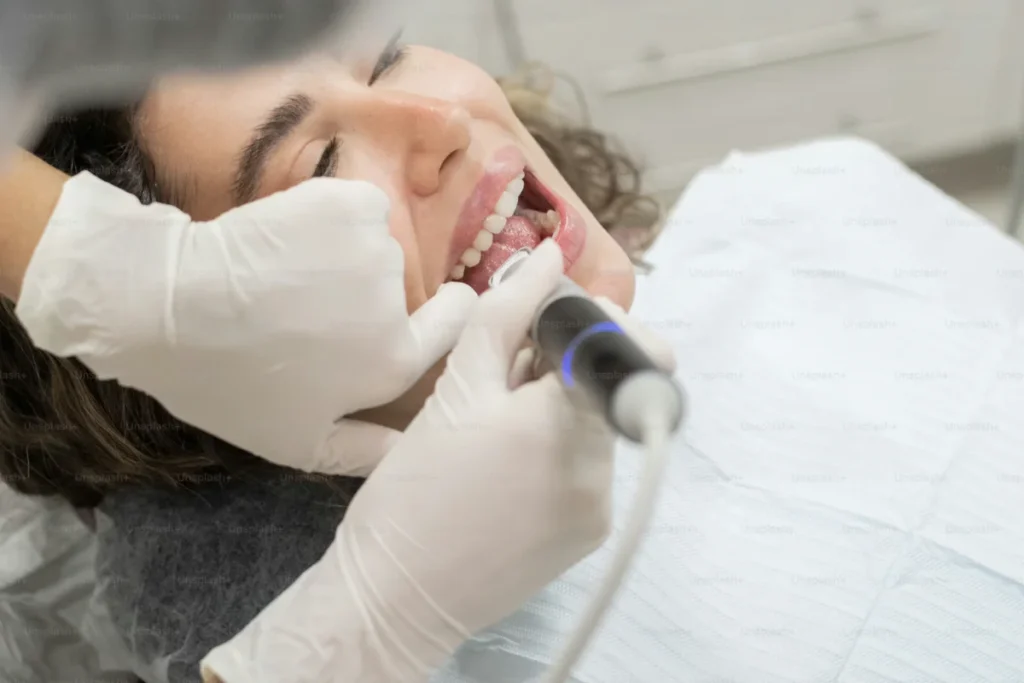
The idea of having a broken tooth pulled can make anyone squirm, but it is not necessarily painful. Here’s a step-by-step overview of how our ADA-approved dentists perform a broken tooth extraction at Spring Creek Dental:
- Numbing the area: Local anesthesia is applied so you won’t feel pain during the procedure. For more complex extractions, sedation may be offered to help you relax.
- Simple broken tooth extraction: The dentist uses gentle tools to loosen and remove the tooth from the socket.
- Surgical extraction: Needed for teeth broken below the gum line or impacted wisdom teeth. This may involve:
- Making a small incision in the gum
- Carefully removing a small amount of surrounding bone to access the tooth
- Controlling bleeding: A gauze is placed over the extraction site to help stop bleeding and protect the area.
- Follow-up guidance: The dentist will provide instructions to support smooth healing and maintain oral health.
How Long Does Recovery Take and What Should You Expect?
After a broken tooth extraction, the healing process is usually simple, but knowing what to expect can help you feel more comfortable:
Recovery Timeline
- Days 1-3: A blood clot forms in the extraction site. Mild bleeding, swelling and discomfort are normal, often peaking around day three. Rest, careful eating and following instructions are key.
- Days 3-7: Swelling and tenderness gradually ease, and the extraction site begins to feel more comfortable. Daily activities can usually be resumed with care.
- Weeks 2-4: The soft tissue gradually closes over the socket, reducing sensitivity and making eating and speaking easier.
- Months 3-6: The underlying jawbone remodels and strengthens. This stage is especially important if a dental implant or other restorative treatment is planned.
Key Aftercare Instructions
- Protect the Clot: Avoid straws, smoking or forceful spitting for the first 24-48 hours to prevent a dry socket.
- Managing Pain: Take prescribed or over-the-counter pain relief as recommended.
- Diet: Stick to soft, lukewarm foods such as yogurt, mashed potatoes or soup during the first few days.
- Oral Hygiene: Avoid rinsing on the first day; afterwards, gently rinse with warm saltwater twice daily to keep the area clean.
Reach out to your dentist if pain worsens, bleeding continues or signs of infection appear, such as pus, fever or severe swelling.
Treatment Options after Extraction
After extraction, it is important to replace a missing tooth because gaps can affect chewing, speech and the alignment of surrounding teeth, and may even cause bone loss in the jaw over time. Here are some common tooth extraction options:
- Dental Implants: A small titanium post is placed in the jaw to act as the tooth root, topped with a crown that looks and functions like a natural tooth. Implants are durable, long-lasting and help preserve the jawbone.
- Dental Bridges: A replacement tooth is anchored to the teeth on either side of the gap. Bridges restore appearance and chewing function without surgery, though adjacent teeth are shaped to hold the bridge.
- Partial Dentures: They are removable appliances that replace one or more missing teeth. They are non-invasive, easy to remove for cleaning and help restore basic chewing and speaking function.
In some cases, especially at the back of the mouth, leaving the gap may be acceptable if it does not affect chewing or alignment. We can advise whether this is suitable for your situation.
How to Prevent Cracked or Broken Teeth?
Here are some steps you can take to avoid tooth damage in the future:
- Wear a mouthguard during sports or physical activities that risk dental injury
- Avoid biting down on extremely hard foods or objects
- Treat teeth grinding or clenching with a night guard if needed
- Practice proper oral hygiene to keep teeth strong and healthy
- Limit sugary snacks and acidic drinks that weaken enamel

Key Takeaways
A broken tooth can catch you completely off guard. One moment you’re eating normally, the next you hear a crack and feel that sharp jolt of pain. It’s unsettling, and it’s natural to feel worried about what comes next. The good news is that with the right care, this is something we can manage.
At Spring Creek Dental, we have seen it all, from tiny chips to deep cracks and stubborn wisdom teeth. We guide patients through every step, from broken tooth extraction to recovery, and help plan what comes next so you do not have to worry.
If you are looking for a dentist near Hudson, we’d be glad to help you out.
To book a consultation, you can call 7153819710 or visit us at 422 2nd St, Hudson, WI 54016.
FAQs
It’s normal to feel nervous about pain. The truth is, we numb the area completely, so you shouldn’t feel anything during the procedure. For more complicated cases, we can offer sedation to help you relax. Most patients say it’s much easier than they expected.
Soft, lukewarm foods are best for the first few days. Avoid hot drinks, crunchy foods and anything that could disturb the blood clot. After a few days, you can slowly return to your usual diet as comfort allows.
Removing a damaged tooth can actually protect the surrounding teeth. Leaving a badly broken tooth could lead to infection, decay spreading or shifting of other teeth. Extraction helps maintain overall oral health.
It depends on the type of replacement. Implants usually need a few months for bone healing before the crown is placed. Bridges or partial dentures can sometimes be done sooner. We guide you on timing so you can regain function and appearance safely.
All procedures carry some risk, but complications are rare. The main concerns are infection, dry socket or prolonged bleeding. We take precautions and give clear aftercare instructions to minimize these risks.
It’s the removal of a cracked or impacted wisdom tooth, often using a small gum incision or gentle bone removal, with anesthesia for comfort.


